MSL ENGLISH WORKBOOK · 9. KLASSE REGELKLASSE
Unit 2
Exploring India
India · world of work · sustainability · Gandhi



PAGE 1
Grammar
India · world of work · sustainability · Gandhi






Simple presentMany people work in IT.
Word orderThey work carefully in Mumbai every day.
Work Englishcompany · office · assembly line
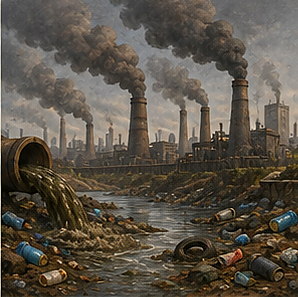
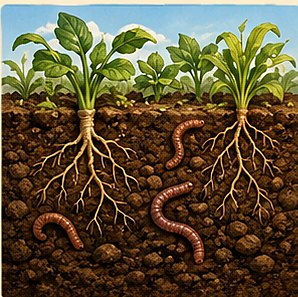
Sustainabilityfarming · soil · pollution · waste
IndiaMumbai · rural life · culture
HistoryGandhi · Salt March · peaceful protest
A · Simple present in context.
A software company ___ services to customers worldwide.
Many farmers ___ crops during the rainy season.
An engineer often ___ technical problems.
The delivery system ___ thousands of meals every day.
My cousin ___ in an office in Bengaluru.
B · Word order: place, manner and time.
They work ___ in the office every morning.
The guide spoke ___ at the museum yesterday.
Farmers work ___ in the fields during harvest time.
The train arrived ___ at the station this morning.
We discussed the project ___ in class on Friday.
C · Work and sustainability vocabulary.
A person who writes computer programs is a ___.
Growing crops and keeping animals is ___.
A substance added to soil to help plants grow is ___.
Dirty air, water or land is called ___.
A company’s financial and business activity is part of the ___.
D · Gandhi and social change.
Gandhi is famous for supporting ___ protest.
The Salt March was a form of ___.
To become free from another country is to become ___.
People who take part in a march may ___ a movement.
A person who studies and applies laws is a ___.
PAGE 2
Dialogue
Real-life communication · precise answers




Dialogue strategy Read both parts carefully. Choose the reply that fits meaning, tense and situation - not just one familiar word.
At work
Use natural, complete English. Pay attention to context and tone.
“What do you do?” - “___”
“What do you like about your job?” - “___”
“Do you work from home?” - “___”
“What does your company make?” - “___”
Life in the country
Use natural, complete English. Pay attention to context and tone.
“What is the biggest problem here?” - “___”
“How can farming become more sustainable?” - “___”
“Do young people want to stay?” - “___”
“Why is clean water important?” - “___”
History and society
Use natural, complete English. Pay attention to context and tone.
“Why is Gandhi remembered?” - “___”
“What happened during the Salt March?” - “___”
“Was the movement violent?” - “___”
“Why did people join?” - “___”
Visual communication



Use the photos as speaking prompts: describe the situation, make one inference and formulate one suitable question.
PAGE 3
Sentence Structure
Build accurate sentences and use the grammar of this unit.




Build it right Every word is needed. Start with the verb structure, then place time, place and other details where English expects them.
PAGE 4
Listening
Listen for gist first, then for precise details.

Listening strategy Before playing a track, read the questions. On the second listening, focus on names, times, reasons and key verbs.

TRACK 1
Working in India
Where does Ravi work?
What does he enjoy?

TRACK 2
A sustainable farm
What do they collect?
What is their biggest challenge?

TRACK 3
The Salt March
Why did people march?
What kind of protest was it?

TRACK 4
Feeding Mumbai
What is delivered?
What does the system depend on?
Save your score
Credits 0 · Fails 0
Top 30 · Klasse 9R · Unit 2
| # | Nickname | Schule | Credits | Fails |
|---|